ViziLitePRO: Oral Lesion Screening System

ViziLitePRO: Oral Lesion Screening System

Your Dentist could save your life. Oral cancer screening is fast, simple and painless. Talk to your dentist or hygienist today.

Did you know?

*The rate of oral cancer diagnosis in America has increased each year for more than a decade.

*Roughly 9,000 Americans die from  oral or oropharyngeal.

Why should I get screened?

In their early stages, many oral diseases are easy to miss with the naked eye. Fortunately, new technology has given dental professionals the opportunity to catch certain abnormalities early on. When discovered early, the 5 year survival rates for oral cancer victims increase dramatically from -57% to 83% and quality of life may improve.

An annual oral cancer screening can help your dentist or hygienist identify oral diseases early on and possibility save your life.

How does ViziLite PRO work?

A full mouth ViziLite PRO examination is fast and painless. In less than three minutes, your dental professional will examine your oral cavity under normal white light and then again, using ViziLite PRO.

ViziLite PRO uses blue light technology to stimulate the tissues inside your mouth. This blue light dramatically enhances your dental professional’s ability to see things that may not be visible with the naked eye.
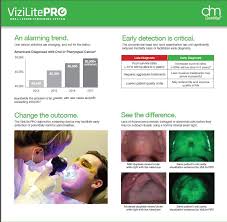
ViziLite Pro II

What should I look for?

Oral cancer can be painless or not visible in the early stages. However, there are some symptoms that you may be able to identify on your own:

* A white or red patch of tissue inside the mouth.

*A small hard ulcer which can look similar to a canker sore that does not heal within 14 days.

*A hard spot in the tissue that does not go away within 14 days.

*Numbness in the mouth.

*Prolonged hoarseness or sore throat.

*A painless lump in the mouth or on the neck that has persisted for more than 14 days.

*Pain or difficulty swallowing, chewing or speaking.

*An earache on one side only.

Am I at risk?

The following factors may be putting you at risk for the development of oral cancer:

*tobacco use

*excessive alcohol consumption

*Poor Diet

*Human Papilloma Virus (specifically strand 16)

*Age (historically people over the age of 40)

How can I take action?

A healthy lifestyle promotes improved oral health and can reduce the risk of oral cancer.

*Eat healthy

*Refrain from using tobacco products and drinking alcoholic beverages excessively.

*Get an HPV vaccination.

Ask your dentist or hygienist about an oral cancer screening today.

For more information on oral cancer, please  visit:

http://www.oralcancerfoundation.org

https://www.denmat.com/vizilite-pro-oral-lesion-screening-system.html

Disclaimer: This information was taken from the ViziLite PRO pamphlet and I give them full credit for it. Please contact the company for more information from the website above.

 

Posted in Cancer Programming, Dental issues, Senior Caregiver Programs, Senior Services, Uncategorized | Tagged , , , , , , , , , , , , , | 1 Comment

What is Multisystem Inflammatory Syndrome in Children?

What is Multisystem Inflammatory Syndrome in Children?

Multisystem inflammatory syndrome in children (MIS-C) is a new health condition associated with COVID-19.

Seek care if your child has persistent fever plus any of these symptoms:

*Irritability or decreased activity.

*Abdominal pain, diarrhea or vomiting.

*Conjunctivitis or red or pink eyes.

*Red, cracked lips or bumpy tongue.

*Swollen hands or feet.

*Lack of appetite

*Rash

Call 911: If your child is severely ill, go to an emergency room or call 911 immediately.

For more information, call 311 or visit nyc.gov/coronavirus.

NYCHealth

Disclaimer: This information was taken directly from the NYC Health Guide Ad and I give them full credit for the information. Please check out their website for more information and consult with your doctor.

Posted in Child Program Services, COVID-19 Information, New Jersey Children's Programs, New York City Caregiver Programming, Uncategorized | Tagged , , , , , , , , , , , , , , , , | 1 Comment

BlueCrest Recovery Center: Drug and Alcohol Rehabilitation Treatment Programs

BlueCrest Recovery Center: Drug and Alcohol Rehabilitation Treatment Programs in Northern New Jersey

http://www.BlueCrestRC.com

Home

Dedicated to Transforming Lives:

About Us:

BlueCrest Center is dedicated to transforming lives. Our elite and passionate staff strive to enable our clients to live free from the bondage of addiction, while enhancing their quality of life. Through comprehensive, empowered, quality care, our seasoned clinicians provide a unique approach to substance abuse treatment by addressing its core elements of Mind, Body and Spirit.

We help our clients get on the path to recovery by offering:

*Partial Care Services

*Intensive Outpatient Services

*General Outpatient Services

*Intervention Services

*Family Therapy Services

*Aftercare Services

Our confidential admissions process will get you the help you need:

*Admission counselors available to help.

*All inquiries completely confidential.

*Evidence based substance abuse programs.

*Individualized, clinically sound, spiritual approach.

*Provide unique services for the Mind, Body and Spirit

Barriers to Treatment:

When clients enter treatment they often struggle with resistant behaviors. Traditionally, treatment professionals attempt to address resistance as defensive barriers to recovery. At BlueCrest we prefer to see resistance as welcomed insights into how we can more effectively work together with these elements of any individual’s personal journey toward recovery.

Partial Care Program:

Our Partial Care Program gives the client the ability to maintain their personal life and connection to their community, while receiving highly structured and intensive therapy. It utilizes Cognitive Behavioral Therapy, Psycho-educational groups, the Twelve Step Recovery Program and Spiritual to assist the client in obtaining sustainable sobriety.

Intensive Outpatient:

Our IOP consists of regularly scheduled sessions of structured addiction treatment. It is often a step-down level of care for individuals who have completed detoxification/hospitalization/rehab who wish to continue to receive treatment. It also may serve as an entry point to treatment where clinically indicated. Clients will receive structure and support while participating in Cognitive Behavioral Therapy, Motivational Interviewing, Dialectical Behavioral Therapy Skills, Psycho-educational Groups, Individual Counseling, Group Therapy and Twelve Step Recovery Program lectures. This program operates three days a week for a total of nine hours.

General Outpatient:

*Designed for clients who have completed other higher levels of care.

*Designated as a transition into an Aftercare program.

*Available to those who have the ability to maintain their sobriety both within the BlueCrest Recovery Program and outside the community.

*Available as continued assistance while the client is adjusting to their daily life.

Aftercare:

Our case managers will assist clients in the following areas during aftercare treatment:

*Educational Placement Services

*Vocational Guidance

*12 Step Support Groups

*Holistic Health Services

*Family Therapy

*Alumni Services

Holistic Services:

*Yoga Therapy

*Meditation

*Art Therapy

*Music Therapy

*Pet Therapy

*Exercise Therapy

Interventions:

*We offer Intervention Services through Hightower Trained Interventionists

*For families and friends who have struggled with getting their loved one into treatment

The BlueCrest Experience:

BlueCrest Recovery Center is a privately owned facility that offers state of the art evidence based substance abuse treatment programs. We offer an array of services which include a Partial Care Program, General Outpatient and Aftercare Services to addicted and co-occurring populations.

Co-occurring disorders like bipolar, anxiety and depression can and should be treated in collaboration with addiction treatment. Out clinicians and psychiatrists will implement a unique and individualistic treatment plan for each client. This will be based on the needs pertaining to the client’s substance abuse while addressing any underlying mental illness.

We are rooted in the successful tenets of the Twelve Step Recovery Program and believe in an individualized, spiritual approach to treatment. These approaches include providing unique services for the Mind, Body and Spirit.

By addressing all three aspect of the disease and combating it with alternative and healthy aspects of recovery on all three fronts, BlueCrest believes that any client can be successful in maintaining lifelong sobriety.

Located in Woodland Park, NJ. Conveniently located in Northern New Jersey just miles outside of New York City.

To inquire about the confidential admissions process, call:

(973) 298-5776

Home

BlueCrest Recovery Center

482 Notch Road

Woodland Park, NJ  07424

info@BlueCrestRC.com

Disclaimer: This information was taken from the BlueCrest Recovery Center pamphlet and I give them full credit for the information. Please call them directly for more information on the program.


Posted in Bergen County NJ Programs, Drug and Alcohol Abuse Programs, New Jersey Senior Programming, Senior Services, Uncategorized | Tagged , , , , , , , , , , , , , , | 1 Comment

Drunk Driving: Over the Limit, Under Arrest.

Drunk Driving: Over the limit, under arrest.

*One third of all fatal motor vehicle crashes in New Jersey are alcohol-related.

*If you drink alcohol, even one drink, designate a driver.

*Police are cracking down. Don’t risk it. Don’t drink and drive.

The NJ Office of the Attorney General: Division of Highway Traffic Safety

http://www.njsaferoad.com

https://www.nj.gov/oag/hts/index.html

http://www.njsaferoads.com/evernham.html

(800) 422-3750

*Disclaimer: This information was taken from the NJ Office of the Attorney General’s Division of Highway Traffic Safety and I give them full credit for this information.

Posted in Drunk Driving Programming, New Jersey State Program, Senior Services, Uncategorized | Tagged , , , , , , , , , , , , , | 1 Comment

Bergecco-Parc Consulting Inc. Productions

via Productions


Justin Watral

Justin Watrel, CEO & Co-Founder

Bergecco-Parc Consulting Inc.

Posted in Bergecco-Parc Consulting Inc. Projects, Senior Services, Uncategorized | Tagged , , , , , , , , , , , , , , , , | 2 Comments

Slow the Spread: President Trump’s Coronavirus Guidelines for America

Slow the Spread: President Trump’s Coronavirus Guidelines for America

For more information, please visit Coronavirus.gov/March 16, 2020

Listen and follow the directions of your State and Local Authorities

If you feel sick, STAY HOME. Do not go to work.

If your children are sick, keep them at home. Contact your medical provider.

If you are an older person or have a serious underlying health condition, stay home and away from other people.

If someone in your household has tested positive, keep the entire household at home.

Even if you are young or otherwise healthy, you are at risk and your activities can increase the risk for others. It is critical that you do your part to slow the spread of the coronavirus.

Work or study from home whenever possible.

Avoid social gatherings in groups of more than 10 people.

Avoid eating or drinking at bars and restaurants-use pick up or delivery options.

Avoid discretionary travel, shopping, trips and social visits.

DO NOT VISIT nursing homes or retirement or long term care facilities unless to provide critical assistance.

Always practice good hygiene:

*Wash your hands, especially after touching any frequently used item or surface.

*Avoid touching your face.

*Sneeze or cough into a tissue or the inside of your elbow.

*Disinfect frequently used items and surfaces as much as possible.

-Coronavirus.gov

https://www.cnbc.com/2020/03/27/us-households-are-being-mailed-trumps-coronavirus-guidelines.html


Disclaimer: This information was taken directly from the card sent from the Federal Government from the Center of Disease Control to help United States citizens. I give them full credit for information. Please everyone FOLLOW THESE GUIDELINES.

Click to access 03.16.20_coronavirus-guidance_8.5x11_315PM.pdf


Posted in COVID-19 Information, Federal Caregiver programs, Senior Caregiver Programs, Senior Services, Uncategorized | Tagged , , , , , , , , , , , , , , , | 1 Comment

Eat Right: 20 Ways to Enjoy More Fruits and Vegetables

Eat Right: 20 Ways to Enjoy More Fruits and Vegetables

Food, Nutrition and Health tips from the Academy of Nutrition and Dietetics

Building a healthy plate is easy when you make half your plate fruits and vegetables. It’s also a great way to add color, flavor and texture plus vitamins, minerals and fiber. All this is packed in fruits and vegetables that are low in calories and fat. Make 2 cups of fruit and 2 1/2 cups of vegetables your daily goal. Try the following tips to enjoy more fruits and vegetables every day.

  1. Variety abounds when using vegetables as pizza topping. Try broccoli, spinach, green peppers, tomatoes, mushrooms and zucchini.
  2. Mix up a breakfast smoothie made with low fat milk, frozen strawberries and a banana.
  3. Make a veggie wrap with roasted vegetables and low fat cheese rolled in a whole wheat tortilla.
  4. Try crunchy vegetables instead of chips with your favorite low fat salad dressing for dipping.
  5. Grill colorful vegetable kabobs packed with tomatoes, green and red peppers, mushrooms and onions.
  6. Add color to salads with baby carrots, grape tomatoes, spinach leaves or mandarin oranges.
  7. Keep cut vegetables handy for mid-afternoon snacks, side dishes, lunch box additions or a quick nibble while waiting for dinner. Ready to eat favorites: red, green or yellow peppers, broccoli or cauliflower florets, carrots, celery sticks, cucumbers, snap peas or whole radishes.
  8. Place colorful fruit where everyone can easily grab something for a snack on the run. Keep a bowl of fresh, just ripe whole fruit in the center of your kitchen or dining table.
  9. Get saucy with fruit. Puree apples, berries, peaches or pears in a blender for a thick, sweet sauce on grilled or broiled seafood or poultry or on pancakes, French Toast or waffles.
  10. Stuff an omelet with vegetables. Turn any omelet into hearty meal with broccoli, squash, carrots, peppers, tomatoes or onions with low fat sharp cheddar cheese.
  11. “Sandwich” in fruits and vegetables. Add pizzazz to sandwiches with sliced pineapple, apple, peppers, cucumbers and tomato as fillings.
  12. Wake up to fruit. Make a habit of adding fruit to your morning oatmeal, ready to eat cereal, yogurt or toaster waffle.
  13. Top a baked potato with beans and salsa or broccoli and low fat cheese.
  14. Microwave a cup of vegetable soup as a snack or with a sandwich for lunch.
  15. Add grated, shredded or chopped vegetables such as zucchini, spinach and carrots to lasagna, meat loaf, mashed potatoes, pasta sauce and rice dishes.
  16. Make fruit your dessert: Slice a banana lengthwise and top with a scoop of low fat frozen yogurt. Sprinkle with a tablespoon of chopped nuts.
  17. Stock your freezer with frozen vegetables to steam or stir-fry for a quick side dish.
  18. Make your main dish a salad of dark, leafy greens and other colorful vegetables. Add chickpeas or edamame (fresh soybeans). Top with low fat dressing*
  19. Fruit on the grill: Make kabobs with pineapple, peaches and banana. Grill on low heat until fruit is hot and slightly golden.
  20. Dip: Whole wheat pita wedges in hummus, baked tortilla chips in salsa, strawberries or apple slices in low fat yogurt or graham crackers in applesauce.


*See: “Color your plate with salad” at http://www.eatright.org/nutritiontipsheets for more tips on creating healthy salads. For a referral to a registered dietitian and for additional food and nutrition information visit http://www.eatright.org. Eat Right!

The Academy of Nutrition and Dietetics is the world’s largest organization of food and nutrition professionals. The Academy is committed to improving the nation’s health and advancing the profession of dietetics through research, education and advocacy.

Disclaimer: This information was authored by the Academy of Nutrition and Dietetics staff registered dietitians and I give them full credit for the information. Please contact them at the email or the numbers above as well.


Posted in Federal Caregiver programs, Federal Nutrition Programs, Senior Caregiver Programs, Uncategorized | Tagged , , , , , , , , , , , , , | 1 Comment

Eat Right: Eating Right for a Healthy Weight

Eating Right: Eating Right for a Healthy Weight

Food, Nutrition and Health Tips from the Academy of Nutrition and Dietetics

Reaching and maintaining a healthier weight contributes to your overall health and well being. Losing even a few pounds or preventing further weight gain has health benefits.

Are you ready to make changes in your lifestyle and move toward a healthier weights? Here are some tips to get you started:

*Start with a plan for lifelong health: Focus on the big picture-achieving overall good health-not just short term weight loss.

*Set healthy, realistic goals: You are likely to succeed in reaching realistic goals when you make changes step by step. Start with one or two specific; small changes at a time. Track your progress by keeping a food and activity log.

*Get a personalized eating plan: Go to http://www.ChooseMyPlate.gov for a plan that will give you the amounts of each food group you need daily. If you have special dietary needs, consult a registered dietitian for a customized plan.

*Eat at least three meals a day and plan your meals ahead of time: whether you’re eating at home, packing a lunch or eating out, an overall eating plan for the day will help keep you on track.

*Balance your plate with a variety of foods: Half your plate should be filled with fruits and vegetables, about one fourth with lean meat, poultry or fish and one fourth with grains. To round out your meal, add fat free or low fat milk, yogurt or cheese.

*Focus on your food: Pick one place to sit down and eat at home. Eating while doing other things may lead to eating more than you think. Also, switching from a large plate to a smaller one may help you feel satisfied with reduced portions.

*Know when you’ve had enough to eat: Quit before you feel full or stuffed. It takes about 20 minutes for your brain to get the message that your body is getting food. When your brain gets this message, you stop feeling hungry. So fast eaters-slow down and give your brain chance to get the word.

*Get plenty of fiber from fruits, vegetables, beans and whole grains: fiber can help you feel full longer and lower your risk for heart disease and type 2 diabetes.

*Watch portion sizes to manage your calories intake: this  is the key to an effective weight management plan. To make sure your portion sizes are “just right” visit the MyPlate Food Groups Food Galleries at http://www.choosemyplate.gov/STEPS/howmuchshouldyoueat.html for healthy eating guidelines in household measures.

*Snack Smart: include snacks as part of your daily calorie allowance and limit portions to one serving. Plan for nutritious snacks to prevent between meal hunger. Keep portable, healthy snacks in your desk, backpack or car.

*Find your balance between food and physical activity: regular physical activity is important for your overall health and fitness-plus it helps control body weight, promotes a feeling of well-being and reduces the risk of chronic diseases.

Pick activities you like and do each for at least 10 minutes at a time. Aim for a total of 2 hors and 30 minutes or more each week of moderate activity such as brisk walking. If you are currently inactive, check with your doctor concerning increased physical activity.

*Is it right for you?

Make sure your weight management plan is right for you. Does it include:

*Foods from all five food groups?

*The right number of servings from each group?

*Food you will enjoy eating for the rest of your life?

*Foods you can buy at the supermarket?

*Some of your favorite foods?

*Regular physical activity or exercise?

If the answer is “yes” to all the questions, your weight management plan is right for you.

A registered dietitian can develop a personalized weight management plan that meets your individual needs. For names of registered dietitians in your area, visit http://www.eatright.org.

For more information about healthy eating, visit http://www.eatright.org and http://www.ChooseMyPlate.gov

For a referral to a registered dietitian and for additional food and nutrition information visit http://www.eatright.org.

The Academy of Nutrition and Dietetics is the world’s largest organization of food and nutrition professionals. The Academy is committed to improving the nation’s health and advancing the profession of dietetics through research education and advocacy.

Disclaimer: This tip sheet is provided by the New York State Academy of Nutrition and Dietetics and authored by the Academy of Nutrition and Dietetics staff of registered dietitians and sources from the U.S. Department of Health and Human Services, ADA Complete Food & Nutrition Guide.

https://www.eatright.org/food/resources/national-nutrition-month/toolkit

https://www.eatright.org/

https://www.choosemyplate.gov/

Posted in Federal Caregiver programs, Federal Nutrition Programs, Senior Caregiver Programs, Uncategorized | Tagged , , , , , , , , , , , , , , | 1 Comment

Eat Right: Smart Tips for Reading Menus while Eating Out

Eat Right: Smart Tips for Reading Menus While Eating Out

Food Nutrition and Health Tips from the Academy of Nutrition and Dietetics

Dining out may be a treat after a busy week or a fun way to mark a celebration. However making the right choices when eating out can also be a challenge. Here are a few tips to keep in mind to help you decipher the menu the next time you eat out.

Nutrition Information:

Many restaurants, bakeries, coffee shops and quick service vendors are required to provide easy to access nutrition information about their foods and beverages right on the menu.

Calories:

The amount of calories for foods that are regularly offered should be listed next to items on menus, order boards or next to the food being served on buffet lines.

Salt, Fat, Carbohydrates and More:

The information posted on the menu is usually limited to calories but sometimes a restaurant may list other nutrients to show that the food is low in fat or high in protein.

Additional nutrition information must also be available on request for most foods served at these restaurants. This includes information about the amount of nutrients, such as sodium, saturated fat and dietary fiber.

If you like to plan ahead, many restaurants also have nutrition information available online, which can help you select healthier options before you arrive and reduce pressure you may feel to order quickly.

Have a Backup Strategy:

Restaurants aren’t required to have nutrition information available if they have fewer than 20 locations. There are also a few exceptions for items such as daily specials, custom orders or condiments.

If nutrition information isn’t available for an item, consider the following tips when you’re deciding what to order.

Limit items that are fried or served in sauces that are high in calories and saturated fat. Some terms to be mindful of include:

*Crunchy, Crispy, Battered and Breaded

*Creamy, Cheesy, Alfredo

Items that are often lower in calories and may be more healthful options include terms such as:

*Baked, Grilled, Roasted., Steamed

*Al Fresco, Marinara

Find your healthy eating style:

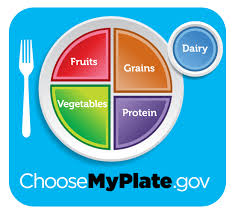
Everyone has their own, individual nutrition needs. Find your healthy eating style by using recommendations from MyPlate.

MyPlate

My Plate

Choosing foods and beverages with less saturated fat, sodium and added sugars. Focus on variety, amount and nutrition when crossing what to eat and drink. And start with small changes to build your healthy eating style now and into the future.

MyPlate can help you find a healthy eating style that meets your needs.

Find more healthy eating tips at:

http://www.eatright.org

http://www.kidseatright.org

Make the Right Choices for You:

Nutrition needs vary from person to person. Choose the foods that fit your health needs, eating style and preferences.

These tips may be helpful when trying to make the best choices for you and your family:

*Consider the calorie information when deciding between different dishes and what to order.

*Remember that side dishes add calories too; consider steamed vegetables or fruit as an option when available.

*Save half your meal for later or split dessert with another person for a more appropriate portion size when servings are large or high in calories.

*Rethink your drink. Calories from beverages can add up quickly especially if there are free refills. Choose healthier options like water or low fat or fat free milk or drinks that are calorie free such as unsweetened coffee or tea.

*Ask for sauces and dressings on the side to help control how much actually goes on your food.

For a referral to a registered dietitian nutritionist and for additional food and nutrition information, visit http://www.eatright.org.

Eat Right: The Academy of Nutrition and Dietetics is the largest organization of food and nutrition professionals. The Academy is committed to improving the health and advancing the profession of dietetics through research, education and advocacy. This is authored by the Academy of Nutrition and Dietetics staff registered dietitian nutritionists. Sources include Calories on the Menu, The U.S. Food & Drug Administration, Start Simple with MyPlate, USDA ChooseMyPlate.gov.

Disclaimer: This tip sheet is provided by: The New York State Academy of Nutrition and Dietetics (www.eatright.org) and I give them full credit for the work. Please check out their website for more information. Please stay safe at this time.

https://www.eatright.org/food/resources/national-nutrition-month/toolkit

https://www.eatright.org/food/resources/national-nutrition-month/toolkit

https://www.eatright.org/

https://www.eatright.org/food/resources/national-nutrition-month

Posted in Federal Caregiver programs, Federal Nutrition Programs, Senior Caregiver Programs, Uncategorized | Tagged , , , , , , , , , , , , , , , | 1 Comment

COVID-19: What to do if you are sick with coronavirus disease 2019 (COVID-19)

COVID-19: What to do if you are sick with coronavirus disease 2019 (COVID-19)

If you are sick with COVID-19 or suspect you are infected with the virus that causes COVID-19, follow the steps below to help prevent the disease from spreading to people in your homes and community.

*Stay home except to get medical care:

You should restrict activities outside your home, except for getting medical care. Do not go to work, school or public areas. Avoid using public transportation, ride-sharing or taxis.

*Separate yourself from other people and animals in your home:

People: As much as possible, you should stay in a specific room and away from other people in your home. Also, you should use a separate bathroom if available.

Animals: Do not hand pets or other animals while sick. See COVID-19 and Animals for more information.

*Call ahead before visiting your doctor:

If you have a medical appointment, call the healthcare provider and tell them that you have or may have COVID-19. This will help the healthcare provider’s office take steps to keep other people from getting infected or exposed.

*Wear a Face-mask:

You should wear a facemask when you are around other people (e.g. sharing a room or vehicle) or pets and before you enter a healthcare provider’s office. If you are not able to wear a facemask (for example because it causes trouble breathing) then people who live with you should not stay in the same room with you or they should wear a facemask if they enter your room.

*Cover your coughs and sneezes:

Cover your mouth and nose with a tissue when you cough or sneeze. Throw used tissues in a lined trash can; immediately wash your hands with soap and water for at least 20 seconds or clean your hands with an alcohol based hand sanitizer that contains at least 60 to 95% alcohol, covering all surfaces of your hands and rubbing them together until they feel dry. Soap and water should be used preferentially if hands are visibly dirty.

*Avoid sharing personal household items:

You should not share dishes, drinking glasses, cups, eating utensils, towels or bedding with other people or pets in your home. After using items, they should be washed thoroughly with soap and water.

*Clean your hands often:

Wash your hands often with soap and water for at least 20 seconds. If soap and water are not available, clean your hands with an alcohol based hand sanitizer that contains at least 60% alcohol, covering all surfaces of your hands and rubbing them together until they feel dry. Soap and water should be used preferentially if hands are visibly dirty. Avoid touching your eyes, nose and mouth with unwashed hands.

*Clean all “high-touch” surfaces every day:

High touch surfaces include counters, tabletops, doorknobs, bathrooms fixtures, toilets, phones, keyboards, tablets and bedside tables. Also, clean any surfaces that may have blood, stool or body fluids on them. Use a household cleaning spray or wipe according to the label instructions. Labels contain instructions for safe and effective use of the cleaning product including precautions you should take when applying the product such as wearing gloves and making sure you have good ventilation during use of the product.

*Monitor your symptoms:

Seek prompt medical attention if your illness is worsening (e.g. difficulty breathing). Before seeking care, call your healthcare provider and tell them that you have or are being evaluated for COVID_19. Put on a facemask before you enter the facility. These steps will help the healthcare provider’s office to keep other people in the office or waiting room from getting effected or exposed.

Ask you healthcare provider to call the local or state health department. Persons who are placed under active monitoring or facilitated self-monitoring should follow instructions provided by their local health department or occupational health professionals as appropriate.

If you have a medical emergency and need to call 911, notify the dispatch personal that you have or are being evaluated for COVID-19. If possible, put on a facemask before emergency medical services arrive.

*Discontinuing home isolation:

Patients with confirmed COVID-19 should remain under home isolation precautions until the risk of secondary transmission to others is thought to be low. The decision to discontinue home isolation precautions should be made on a case by case basis, in consultation with healthcare providers and state and local health departments.

For more information: http://www.cdc.gov/COVID-19.

https://www.cdc.gov/coronavirus/2019-ncov/community/home/index.html

https://www.cdc.gov/coronavirus/2019-ncov/community/index.html

https://www.cdc.gov/coronavirus/2019-ncov/index.html

Disclaimer: This information was taken directly from the Center for Disease Control pamphlet and I give them full credit for it. Please check out the websites above for more information and call their 1-800 number for more information.

Posted in COVID-19 Information, Federal Caregiver programs, Senior Caregiver Programs, Uncategorized | Tagged , , , , , , , , , , , , , , , | 1 Comment