Alliance for Positive Change: Food for Thought

Alliance for Positive Change: Food for Thought

The Greatest Sin: Fear

The Best Day: Today

The Biggest Fool: The person who will not go to school

The Biggest Town: Where you succeed

The Most Agreeable Companion: On who would not have you any different than what you are

The Great Bore: The one who does not come to the point

A Still Greater Bore: One who deceives him/herself

The Greatest Deceiver: One who deceives him/herself

The Greatest Invention of the Devil: War

The Greatest Secret to Production: Saving Waste

The Best Work: What you like

The Greatest Comfort: The knowledge that you have done your work well

The Greatest Mistake: Giving Up

The Most Expensive Indulgence: Hate

The Cheapest stupid and easiest thing: Finding Fault

The Greatest Troublemaker: He who has too much

The Most Ridiculous Asset: Pride

The Worst Bankrupt: The soul who has lost their enthusiasm

The Cleverest Person: One who always does what he or she thinks is right

The Most Dangerous Person: The Liar

The Most Disagreeable Person: The Complainer

The Best Teacher: The one who makes you want to learn

The Meanest Feeling: Feeling Bad at another’s success

This is just food for thought.

Disclaimer: I want to thank the Alliance for these insights and to get us all to think.


Posted in Alliance for Positive Change Programming, Food and Nutrition Programming, New York City Senior Programming, Senior Services, Uncategorized | Tagged , , , , , , , , , , , , | 1 Comment

The Alliance for Positive Change: Minority Mental Health Awareness

The Alliance for Positive Change: Minority Mental Health Awareness

Behavioral Health Education and Engagement Newsletter July 2019

Founded in 2008, Minority Health Awareness Month set out to bring awareness to the struggles of the underrepresented populations suffering from mental illness in the United States. Why do we care? Approximately 46.6 million adults in the United States face the reality of managing a mental illness every day.

Hydrate your brain for a Mental Health Boost!

Summer is here and with the heat comes all of its challenges such as dehydrate which can have a negative impact on the brain. When the temperature rises it can cause you to sweat and with that you lose water. When you are dehydrated, you are at risk for difficulties  with your Mental Health such as:

  1. Mood changes: Anxiety
  2. Fatigue/Difficulties focusing
  3. Delirium (in severe cases of dehydration)


To properly function, the brain needs a certain amount of water. So this summer, Hydrate! Hydrate! Hydrate! Hydrate! Changes in the season can affect our Mental Health. I challenge you to discover your sense of purpose and have fun. Allow yourself to act purposefully while letting go and having fun.

Summer Essentials:

  1. Get out of the house and wear sunscreen.
  2. Drink 8 oz of water a day.
  3. On the go? Grab a water bottle to go!
  4. Rest & Repeat!

If you find yourself struggling this summer, BHEE is here to help. We provide individual education and support with a Behavorial Health Educator. You will also have the support of a Peer Navigator, someone with lived experience.

BHEE Mission & Vision:

Our mission is helping our clients to live a Hope and Empowered life while living POSITIVE. We believe that through education and support we can bring about change in our clients. Our goal is to help our clients gain access supportive services that are available. We encourage them to live their best life and embrace all that they are and all that they aspire to be. Taking steps to stand up, rise up, clean up and make Positive Changes.

Website: http://www.alliance.nyc (Contact: 212-645-0875 x447 ) Email: Chrissandra@alliance.nyc

Alliance Locations:

*Midtown Central: 64 West 35th Street NY, NY 10001

*Casa Washington Heights: 2036 Amsterdam Avenue NY, NY  10032

*Keith Haring East Harlem Center: 315 East 104th Street NY, NY  10029

Disclaimer: This information was taken directly from the Alliance for Positive Change Newsletter and I give them full credit for the information. Please call their numbers or email them for more information.


Posted in Alliance for Positive Change Programming, Immigrant Programming, New York City Caregiver Programming, Senior Caregiver Programs, Senior Services, Uncategorized | Tagged , , , , , , , , , , , , , | 1 Comment

ESETT: Established Status Epilepticus Treatment Trial

ESETT: Established Status Epilepticus Treatment Trial

Learn about ESETT, a seizure  study that may affect you or someone you know.

A research trail conducted by The Neurological Emergencies Treatment Trials (NETT) Network and Pediatric Emergency Care & Applied Research Network (PECARN) http://www.pnett.org/seizure.htm

http://www.esett.org

Established Status Epilepticus Treatment Trail

What is SE?

Status Epilepticus (SE) is defined as a seizure or recurrent seizures lasting longer than five minutes without stopping or waking up. A person whose seizure does not stop after receiving a full dose of medicine (benzodiazepines) to make it stop is considered to have Established Status Epilepticus (ESE).

A prolonged seizure can:

*Happen to someone of any age

*Affect one’s ability to think and remember

*Prevent a person from being able to function normally or independently

*Limit awareness and cause coma

*Cause permanent brain damage

*Cause death

What is ESETT?

Emergency department care of Established Status Epilepticus (ESE) in the US is not the same everywhere. Doctors use their judgement but what treatment will work best is not known. The purpose of this study is to find out which of three commonly used medicines given in the emergency department for (ESE) is safer and more effective.

*phenoytoin (fPHT)

*valproic acid (VPA) and

*Levetiracetam (LVT)

Why do this study?

The best possible outcomes in patients with Established Status Epilepticus (ESE) are likely to depend on a treatment that rapidly stops their seizure.

Who will be included?

*Any patient who is 2 years or older with an

*Active recurrent or ongoing seizure lasting longer than five minutes and

*Has already received an adequate dose of benzodiazepine (like valium) in the past 5-30 minutes to make the seizure stop could be enrolled.

To start 1/3 of all study participants will randomly receive fPHT, 1/3 VPA and 1/3 LVT. After the study medicine is given, blood samples maybe taken to measure the amount of study drug in the blood.

As the study goes on, a higher proportion of patients will be randomized to the drug or drugs which better stop seizures.

If the seizure does not stop doctors will follow their normal procedure and given extra medication to make it stop.

The extra medicine could be one of the three medicines being studied or a different medicine.

What are the benefits?

Because we do not know which treatment is best for treating Established Status Epilepticus, a person enrolled in the study may receive a better medicine to treat their seizures.

Based on the information we get from this study, people who have a seizure in the future may benefit from what is learned from this study.

What are the risks?

There are risks to receiving the study drugs. The risks of the study drugs are similar to those that a patient might have if they receive treatment for their seizures outside of this study.

How is enrollment is ESETT different from other studies?

Normally researchers get permission before person can be included in a study. A person having a seizure will not be able to give consent. Since a seizure that will not be able to give consent. Since a seizure that will not stop on its own must be treated quickly, there will not be enough time to locate and talk to the person’s legal representative about the study without his/her legal representative’s consent. This is called “Exception from Informed Consent” (EFIC). Once the representative is located or the patient wakes up, they will be told about the study and asked to give their permission to continue in the study.

What is EFIC?

The U.S. Food and Drug Administration (FDA) is an agency of the federal government that overseas human research protection involving medicines. The FDA has created a set of special rules, called “Exception from Informed Consent” (EFIC). These special rules allow research studies in certain emergency situations to be conducted without consent.

EFIC can only be used when:

*The person’s life is at risk AND

*The best treatment is not known AND

*The study might help the person AND

*It is not possible to get permission:

-from the person because of his or her medical condition nor

-from the person’s guardian because there is a very short amount of time required to treat the medical problem.

Before researchers may do a study using EFIC, they must provide information about the study to the community and get their feedback.

How can i share my opinions about this study?

Before the study starts, meetings will be held in the community to provide information, answer questions and get community members’ thoughts and feelings about the study. You can call the study team to complete a one on one interview about the study. There will also be information about the study in the media (for example, newspapers, TV and radio).

What if I do not want to be included in the study?

There are two methods for opting out:

  1. Through a Medic Alert membership. If you have an existing medic alert tag or bracelet you can add “ESETT Study Declined” to it. If you have a medic alert membership you can add “ESETT Study declined” to you Emergency Medical information Record. If you would like to find out more information about your existing medic alert services or for a new membership visit: http://www.medicalert.org.

2. Call us to request an Opt Out bracelet be sent you to wear with the words “ESETT declined”. You will need to wear this bracelet at all times during the study period (approximately 5 years) or else you could be enrolled. If you do not participate in the study, you will receive the standard medical treatment provided for established status epilepticus at the hospital  in your community.

Where can I learn more about the study?

Online at: http://www.esett.org Or if you would like to know about a community meeting near you or to get more information about the ESETT study, contact a local study team member.

Contact us:

ESETT STUDY

Hackensack University Medical Center

Diana McCarthy, RN BSN BA

RN Research Coordinator

Emergency Trauma Center

(551) 996-3209

Diana McCarthy@HackensackMeridan.org

http://www.pnett.org/seizure.htm

NETT & PECARN Networks

The ESETT study is part of the Neurological Emergencies Treatment Trails (NETT) and PECARN Networks. Both Networks are funded by the National Institute of Health, an agency of the federal government.

NETT & PECARN conduct studies to learn how to improve emergency care for severe injuries and illnesses of the brain, spinal cord and nervous system in adults and children.

Both Networks include 39 institutions across the county and their surrounding hospitals. The following hospitals that will be participating in ESETT in this area include: Hackensack University Medical Center.

The research study has been reviewed by Hackensack University Medical Center.

Hackensack UMC

30 Prospect Street

Hackensack, New Jersey 07601

(551) 996-2000

http://www.HackensackUMC.org

Disclaimer: This information came from the Hackensack University Medical Center pamphlet and I give them full credit for the information. Please call or email the above number for more information.



Posted in Federal Caregiver programs, Prescription Drug Programs, Senior Services, Uncategorized | Tagged , , , , , , , , , , , , , , , , , , | 1 Comment

Be Breast Self-Aware

Be Breast Self-Aware

Breast Self-Awareness means knowing the signs and symptoms of breast cancer and what’s normal for you body. It also means understanding how your lifestyle factors and family’s health history impact your personal cancer risk.

KNOW YOUR NORMAL

We all have different breasts-different sizes, shapes and densities. Define what is normal for you so that if something changes, you’re equipped to monitor it over time.

FYI: Breast tissue extends up your collarbone around your armpits and into your breastbone.

Signs & Symptoms

*Swelling soreness or rash

*Nipple discharge

*Change in size or shape

*Dimpling or pucking

*Itchy, scaly sore or rash around the nipple

*Nipple that becomes flat or inverted

*Warmth, redness or darkening

*New, persistent pain in one spot

*Persistent itching

*Bumps that resemble bug bites

*A lump that feels like a frozen pea

*Soft mobile lumps that come and go with your period are common and typically normal.

*If you notice any of these symptoms and they don’t go away after 2-3 weeks, see your doctor.

*breasthealthreminders TEXT Pink to 59227 for monthly text reminder to be breast self-aware.

Assess your risk:

Collect your family health history to help understand where you fall on the risk spectrum. Find out which relatives on both your parents’ sides, if you’re able had cancer of any kind, which types and age at diagnosis. Once you have collected your health history, assess your risk for breast and ovarian cancer of AssessYourRisk.org.

Lifetime Risk of Breast Cancer

Average Risk-12% (no family history)

Increased Risk-20%-30% (family history without a ‘high risk’ gene mutation

High Risk-60%-87% (‘High Risk’ gene mutation in self or close relative

REDUCE YOUR RISK

Basic steps every woman can take to reduce her lifetime risk.

Consider these lifestyle choices:

*Maintain a Healthy Body Weight-a clear link exists between obesity and breast cancer

*Exercise Regularly-exercising for 30 minutes on most days may reduce breast cancer risk by as much as 10-20%

*Consider Childbearing Early-research has shown that women with first pregnancies under 30 have 40-50% lower risk than women who give birth later or never at all.

*Breastfeed if you can-breastfeeding for 1-2 years-not necessarily consecutively-can lower your risk.

*Limit Alcohol-limit alcohol to one drink per day or eliminate it entirely.

*Eat Well, Live Well-fill up on cancer-fighting fruits and veggies, get all your vitamins and avoid red meat.

*Check Your Vitamin D Levels-Vitamin D deficiency can increase your breast cancer risk by 2.5x.

*Don’t Smoke-smoking is linked to a higher risk of breast cancer in your women.

If you are at increased or high risk, talk to your doctor about additional risk reduction strategies available to you.

Disclaimer: This information was taken directly from the Breast Health Reminders pamphlet and I give them full credit for the information. Please contact them directly for more information on the program and about breast cancer awareness.


Posted in Cancer Programming, Federal Caregiver programs, New Jersey State Program, Senior Sanitation Programs, Uncategorized, Woman's Programming | Tagged , , , , , , , , , , , , , | 1 Comment

What do your blood pressure numbers mean?

What do your blood pressure numbers mean?

This was provided by the Bergen County Health Department:

Blood Pressure Category:


Normal-

Systolic mm Hg (upper number)

Less than 120

Diastolic mm Hg (lower number)

Less than 80


Elevated-

Systolic mm Hg (upper number)

120-129

Diastolic mm Hg (lower number)

Less than 80


High Blood Pressure (Hypertension) Stage 1-

Systolic mm Hg (upper number)

130-139

Diastolic mm Hg (lower number)

80-89


High Blood Pressure (Hypertension) Stage 2-

Systolic mm Hg (upper number)

140 or higher

Diastolic mm Hg (lower number)

90 or higher


Hypertensive Crisis (consult your doctor immediately)


National Cholesterol Education Program Cholesterol Guidelines:

Total Cholesterol:

Desirable-Less than 200

Borderline High-200-239

High-240 and higher


LDL Cholesterol-(the ‘Bad’ cholesterol)-

Desirable-Less than 130

Borderline High-130-159

High-160 and higher


HDL Cholesterol (the ‘Good’ Cholesterol)-

Desirable-50 and higher

Borderline High-40-49

High-Less than 40


Triglycerides-

Desirable-Less than 200

Borderline High-200-399

High-400 and higher


Blood Sugar Level Chart-

Normal-

Fasting-80-100

Just Ate-170-200

3 Hours after Eating-120-140


Pre-Diabetic-

Fasting-101-125

Just Ate-190-230

3 Hours after Eating-140-160


Diabetic-

Fasting-126 plus

Just Ate-220-300

3 Hours after Eating-200 plus


Disclaimer: This information was provided by the Bergen Health Department and I give them full credit for the information. Please consult with your doctor for the latest numbers (as they do change over time) and get tested at least once a year.


Posted in Federal Caregiver programs, New Jersey Senior Programming, New York City Caregiver Programming, Senior Caregiver Programs, Senior Services, Uncategorized | Tagged , , , , , , , , , , , , , , , , , , | 1 Comment

Bring your medications to a drop box and have them disposed of properly.

Bring your medications to a drop box and have them disposed of properly.

If you have unused/leftover medications, please help us prevent prescription drug misuse.

Bring your medications to a drop box and have them disposed of properly.

All medications will be accepted, no questions asked.

To find your nearest drop box:

http://rxdrugdropbox.org/map-search/

Drop boxes are unable to accept sharps/syringes. For information on proper syringe or needle disposal, please contact: Englewood Hospital (201) 894-3000 ext. 4057 or Holy Name Hospital (201) 833-3176

For more information about the Bergen County Prevention Coalition, please contact:

Michael Silverman, Coalition Coordinator, msilverman@cafnj.org

Ashley Sudol, Outreach Coordinator, asudol@cafnj.org

Disclaimer: This information was taken directly from the Bergen County Prevention Coalition pamphlet and I give them full credit on the information. Please call or email the above numbers for more information on the program.

Posted in Bergen County NJ Programs, Federal Caregiver programs, New Jersey Senior Programming, Prescription Drug Programs, Senior Services, Uncategorized | Tagged , , , , , , , , , , , , , , , | 1 Comment

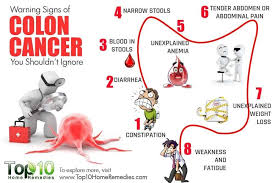
Warning Signs of Colon Cancer You Shouldn’t Ignore: Top Ten Home Remedies

Warning Signs of Colon Cancer You Shouldn’t Ignore: Top 10 Home Remedies:

What are the Warning SIGNS?

  1. Constipation
  2. Diarrhea
  3. Blood in Stools
  4. Narrow Stools
  5. Unexplained Anemia
  6. Tender Abdomen or Abdominal Pain
  7. Unexplained Weight Loss
  8. Weakness and Fatigue


ColonCancer


To explore more, visit http://www.Top10HomeRemedies.com

Disclaimer: This information was taken from the Top10HomeRemedies.com pamphlet and I give them full credit for this information. Please contact them directly for more information.

Posted in Cancer Programming, Federal Caregiver programs, New Jersey Senior Programming, New York City Caregiver Programming, Senior Caregiver Programs, Senior Services, Uncategorized | Tagged , , , , , , , , , , , , , | 1 Comment

What Breast Cancer can Look & Feel Like

What Breast Cancer can Look & Feel Like:

Recognize something? Don’t panic, some changes are normal but if it stays around be smart-show a doctor:

knowyourlemon.jpg

Knowyourlemons.com

https://knowyourlemons.com/

*Feeling a thick area

*Dimple

*Nipple Crust

*Red or Hot

*Unexpected fluid

*Skin Sores

*Bump

*Growing Pains

*Sunken Nipple

*New Shape/Size

*Orange peel skin

*A cancerous lump usually feels hard and immovable like a lemon seed. It can be any shape or size.

Want information on each symptom?

Check: knowyourlemons.com

https://knowyourlemons.com/

Disclaimer: This information was taken directly from the knowyourlemons.com pamphlet and I give them full credit on the information. Please call or check out their website for more information.

Posted in Cancer Programming, Federal Caregiver programs, Senior Caregiver Programs, Senior Services, Uncategorized | Tagged , , , , , , , , , , , , , , | 1 Comment

Free Cancer Screenings: Bergen County Department of Health Services

Free Cancer Screenings: Bergen County Department of Health Services

Cancer Screening Tests:

For Women: Breast, Cervical & Colorectal:

*Free mammogram & breast exam for ages 40 and up.

*Free breast exam, pelvic exams & Pap tests for ages 21 and up.

*Free colorectal cancer screening tests (FIT kit) for ages 45 and up.

For Men: Prostate & Colorectal

*Free Prostate cancer screening for men ages 55 and up.

*Free colorectal cancer screening tests (FIT kit) for men ages 45 and up.

Services may be provided at:

*New Bridge Medical Center (Bergen Regional Medical Center).

*Planned Parenthood: Hackensack and Englewood.

*Englewood Hospital Medical Center

*The Valley Hospital

*Bergen Imaging Center

To find out if you qualify:

Please Call:

(201) 634-2660

Bergen County Health Services

1 Bergen County Plaza, 4th Floor

Hackensack, NJ  07601

Fax: (201) 336-6086

http://www.bergenhealth.org

Disclaimer: This information was taken from a Bergen County Health Services pamphlet and I give them full credit for the information. Please call them at the above number for more information on the program as I have never used it before.

Posted in Bergen County NJ Programs, Cancer Programming, New Jersey Children's Programs, New Jersey Senior Programming, New Jersey State Program, Senior Services, Uncategorized | Tagged , , , , , , , , , , , , | 1 Comment

Alliance for Positive Change: WILLOW@The Alliance

Alliance for Positive Change: WILLOW@The Alliance

WILLOW is a CDC  DEBI for HIV Positive Women 18 and over who have known their HIV status for at least 6 months.

Workshop Topics Include:

*Gender Pride & Social Support

*Healthy, Unhappy Relationships

*Condom Use

*Coping Skills

WILLOW is a 4 intervention:

Dates: July 31st, August 7th, 14th and 21st, 2019. Metro Cards and snacks provided daily. Registration Required. For more information contact Yvonne Gooden @ (212) 645-0875, ext. 309. Dates do change over time so call the number.

Disclaimer: This information was taken directly from a pamphlet from The Alliance for Positive Change and I give them full credit for the information. Please call the above numbers for more information on the programs.

Posted in Alliance for Positive Change Programming, HIV Programming, New York City Caregiver Programming, Senior Services, Uncategorized | Tagged , , , , , , , , , , , , , , | 1 Comment