PSE&G to Roll-Out Smart Meters for Electric Customers
PSE&G is set to begin work on a new program that will bring the benefit of smart meters to our electric customers. Through our Advanced Meter Infrastructure (AMI) program, PSE&G will replace existing electric service territory.
These smart meters will communicate with PSE&G system-monitoring and customer applications. They will, among other things, allow near real-time meter reading, provide customers with more information about their electric use, enable near real-time power outage detection and make storm restoration work more efficient.
In 2021, PSE&G will build the communication network that will support smart meters and install about 80,000 smart meters. Between 2022 and the end of 2024, we will replace hundreds of thousands of existing meters in our electric service territory with new smart meters.
Our smart meter program is part of PSE&G’s vision for a future in which the energy we deliver is cleaner and more reliable while also giving customers the modern tools and technology to use that energy wisely.
Occasional constipation or irregularity occurs when your bowel movements become difficult or happen less frequently than is normal for you. It can throw off your daily routine.
Defining normal bowel movements:
This depends on the individual. Normal can range from a bowel movement 3 times a day to 3 times a week. The stool is soft and formed and passes without staining. Only you can determine what’s normal for you.
Symptom of Constipation:
*Gas/bloating
*Abdominal discomfort
*Irregular bowel movements
Symptoms of constipation are extremely common:
*16% of adults will experience constipation-Constipation will occur in 1/3 of adults 60 and over
*An estimated 42 million Americans suffer from constipation.
*Women are more likely to experience constipation.
What should I look for?
Know your stool type:
*Types 1-2 indicate constipation: Separate, hard lumps like nuts (hard to pass)/Sausage-shaped but lumpy
*Types 3-4 are ideal: Like a sausage but with cracks on its surface/Like a sausage or snake, smooth and soft
*Types 5-7 indicate diarrhea: Soft blobs with clear-cut edges (passed easily)/Fluffy pieces with ragged edges, a mushy stool/Watery, no solid pieces. Entirely liquid.
If you aren’t sure you have normal bowel movements, speak to your doctor.
Why am I experiencing constipation?
Causes can vary:
Medications:
*Antidepressants
*Anticonvulsants
*Anti-hypertensive drugs
*Opioids
*Antacids
Supplements:
*Iron
Poor Diet/Dehydration: A diet law in:
*Fruits and vegetables
*Fiber-containing plant foods
*Healthy balance of good bacteria
*Adequate fluid intake
Lifestyle and other factors:
*Lack of sleep
*Travel
*Stress
*Ignoring the urge to go
*Certain medical conditions
What can I do for occasional constipation?
Make simple lifestyles changes:
Maintain a well-balanced diet: Include good sources of fiber:
Disclaimer: This information was taken from the MiraLAX pamphlet and I give them full credit for this information. Please refer to the links to MiraLAX for more information on the product. I have never used it so I have no opinion yes or no to how good it is for constipation.
Osler at Home strives to improve quality of care and reduce medical costs by providing patients with the most convenient and superior quality of medical services right in their own homes.
We reduce the stress of leaving home and coordinating transportation to the doctor’s office.
We accept Medicare assignment and are credentialed with the most commercial insurances.
Key Home & Transitional Care Offerings: An entire medical team to care for you and monitor your needs.
*A doctor or nurse practitioner who treats you in your home.
*Comprehensive history and physical exam.
*Overall Plan of Care established.
*Home Safety Evaluation
*Caregiver support and education
*Medicine review and reconciliation
*Cognitive assessment
*Self-care/Motivation Assessment
*Complete medical and diagnostic service in home including lab work, ultrasound and x-ray
*Ordering of durable medical equipment and supplies
*Coordinate community resources
*Quick turnaround on appointment requests
Osler at Home believes that there is no place “like home” for care management of its most vulnerable, high risk patients. Our patients are provided access to the highest quality healthcare in the comforts of their own homes.
We focus on home visits and transitional care management from hospital or rehab to home, becoming your healthcare quarterback and ensuring all of the patients needs are assessed, care is coordinated and positive outcomes reached. We bridge the gaps in the continuum of care, ensuring that the patient has all the resources necessary to continue healing and recovering in the most comfortable and convenient way possible.
Disclaimer: This information was taken directly from the Osler at Home pamphlet and I give them full credit for the information. Please call the office for more information.
Personal Assistance Services Program Fact Sheet (PASP)
What is the Personal Assistance Services Program?
The Personal Assistance Services Program (PASP) established under N.J.S.A. 30:1-12; P.L. 1993, c 215 is designed to provide personal assistance services to individuals with permanent physical disabilities. These services enable adults with disabilities to be employed, prepare for employment and/or live independently. Personal assistance services differ from traditional home services in that they are consumer directed and supervised and are considered to be a non-medical model of assistance, rather than a home health care service.
Which counties have the Program?
The law establishes the program in each of the 21 counties in the State of New Jersey. County government has the responsibility for designating an office of county government or another community based agency, that has experience in providing information and services for persons with disabilities to administer the program locally.
Who will administer this program?
The law established the Personal Assistance Services Program in the State Division on Disability Services housed in the New Jersey Department of Human Services. The program for Bergen and Hudson in administered through the Bergen County Division on Disabilitiy Services. The county Division is responsible, under the supervision of the state Office of Disability Services, for consumer selection, assistant recruitment and local operation of the program.
What are Personal Assistant Services and who provides them?
Personal assistants are individuals with training or related experience in providing in-home services, who directly assist a person with a disability in carrying out routine non-medical tasks such as bathing, dressing, transfer to a wheelchair, meal preparation, laundry, shopping, household management and transportation.
Who is eligible to receive these services?
Consumers served under the program are subject to the following eligibility criteria.
*Permanently physically disabled
*Between the ages of 18 to 70
*Capable of self-direction and able to supervise a personal assistant
*Resident of the State of New Jersey
In selecting consumers for participation in the program, preference is given to those individuals who are in paid employment, in a program preparing them for employment (school/job training) volunteering or using services to support community based independent living.
Are there financial eligibility criteria?
No, under the law there are no financial eligibility criteria for consumers. Those persons who qualify under the current Social Service Block Grant (SSBG) guidelines receive the service at no cost; those with incomes in excess of those guidelines are expected to contribute toward the cost of their services based on a sliding scale. (Cost-share).
How are the hours and type of service determined?
Consumers selected for the program receive up to 40 hours of service per week based on their individual needs. A “Plan of Service” specifying the type of service required and the hours requested is completed by the applicant in the assessment process conducted by a registered nurse, social worker or rehabilitation professional. A professional assessment will be conducted to determine the person’s capacity for self-direction and the appropriateness of the requested plan of service to meet their needs. A recommendation will be made to the county division regarding the person’s suitability for the program and award of hours. Additional services that a consumer may be eligible to receive through other funding sources (Medicaid, private insurance etc) must be accessed first and are taken into account in formulating the final consumer Plan of Service.
Where can I get further information about the program?
Further information on the Bergen/Hudson Personal Assistance Services Program may be obtained by contacting:
Bergen County Division on Disability Services
One Bergen County Plaza, 2nd Floor
Hackensack, NJ 07601-7076
Liliana Zorrilla, PASP Coordinator (201) 336-6508
Anna Alpine, PASP Assistant Coordinator (201) 336-6502
Disclaimer: This information was taken directly from the Department of Disabilities handout and I give the County of Bergen’s Department of Human Services full credit for this information. I have never used the program before so I have no option on it. Please contact the office at the above phone numbers for more information.
Disclaimer: This information comes from the Department of Disability Services of the County of Bergen’s Department of Human Services and I give them full credit for the information. I have not used the service so I have no opinion on it. Please contact the department at the above number for more information.
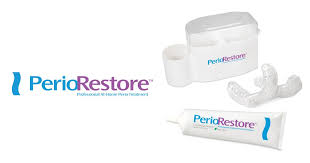
PerioRestore: Help control Early to Late Stages of Gum Disease Today
Over 64 million Americans suffer from Periodontitis (advanced stage of gum diseases)
If not only can cause issues in your mouth, but gum disease can lead to many issues throughout your entire body including osteoporosis, various cancers, diabetes and even a stroke.
So how does gum disease start? The most common culprit stems from not brushing and flossing daily or properly. When we don’t have proper oral health, a sticky bacteria known as plaque and calculus builds up in the pockets below the gumline and between our teeth, causing an infection to form. This ultimately leads to a variety of problems including bone loss.
It is vital to your oral health and systemic health to brush, floss and rinse daily appropriately-for all ages.
Symptoms of Gum Disease include:
*Red, swollen gums
*Ongoing bad breath
*Sensitivity
*Bleeding gums
*Plaque buildup
*Gum recession
*Separation of teeth
*Tooth loss
How do we manage the bacteria when we are not in the dental office?
We know that the sticky bacteria that lives beneath our gums grows quickly and can become difficult to manage and keep at bay once we leave our hygienist. To start, let’s focus on the core homecare basics.
*Flossing
*Brushing and Rinsing
*Smart Food Choices
*Regular Dental Visits
How many of the above have you mastered?
A lot of people don’t have a proper, daily oral regime so a solution is needed to manage the disease at home in conjunction with daily homecare.
Did we mention, managing your oral health is vital to the overall health of your entire body?
But there is a solution! Perio Restore.
Where do you fall in these stages of Perio?
Start your path to healthy gums today. For more information or to watch instructions videos, please visit denmat.com.
The oral cleansing gel is a 1.7% Hydrogen Peroxide gel that fights bacteria inside the pocket and keeps the disease-causing bacteria from recolonizing, helping prevent against further infection.
Oh and a side perk? When used daily, the gel whitens teeth and freshness breath!
How does it work?
The Perio Restore System consists of a customized tray that is designed to gently push the oral cleansing gel deep into each periodontal pocket, allowing deeper reach than other non-invasive treatments.
How often do I have to wear them?
To get the full effects of managing the bacteria, the system needs to be worn every day. But don’t fret! You only need to wear them for short duration each day, at any time of the day that works for you.
Going to the gym? Walking the dog? Relaxing at home? No problem-all you have to do is dispense the gel into recommended time and that’s it! A healthy smile is all yours.
Disclaimer: This information was taken directly from the PerioRestore pamphlet and I give them full credit for the information. I have never used the product so I have no personal opinion on the product itself. Please check out their website above for more information.
To help understand diverticulosis, let’s review the anatomy and function of the intestine. The small intestine is the long, thin segment of bowel that begins at the stomach and ends at the large intestine. The large intestine, also called the colon, starts in the right lower abdomen and forms a large question mark across the entire abdomen, ending in the rectum. Just above the rectum is the sigmoid (5 shaped) part of the colon. Liquid waste (stool) enters the colon from the small intestine. As it moves through the colon, stool is dehydrated and shaped. By the time the stool enters the rectum, it is semi-solid and well-formed.
What is Diverticulosis?
Diverticuli are pockets or pouches extending out from the colon. These develop very gradually over a long period of time. They occur along the natural weak points in the bowel wall. The pockets develop because of the pressure exerted inside the colon as it contracts. Diverticulosis is the condition of having diverticuli (singular=diverticulum).
Since the highest pressure in the colon occurs in the sigmoid colon, it is here that most diverticuli occur. Because of these high pressure and balloon like projections, the sigmoid often becomes thickened, twisted and narrowed. This thickening and narrowing may cause changes in the bowel function, such as discomfort, diarrhea, and /or constipation in some people.
The Sigmoid Colon:
The sigmoid colon is designed to contract vigorously to maintain a high pressure. This action pushed the stool into the rectum. Since the sigmoid is a high pressure part of the colon, it is here the diverticuli occur.
Who gets Diverticulosis?
Since it takes so long to develop, diverticulosis usually appears later in life. However, it can occur in people as early as their 30’s. It is less common in people and societies around the world whose diet consists of less processed foods and more fruits and grains with very high fiber content.
Symptoms of Diverticulosis:
Most patients do not feel diverticuli forming. Occasionally they may feel cramps or discomfort in the lower left abdomen. Usually, there are no symptoms at all. When diverticulosis is far advanced, the lower colon may become more rigid, distorted or narrowed. This makes it more difficult for stool to move through. The patient may experience thin or pellet-shaped stools, constipation and an occasional rush of diarrhea. At this point, the problem is mechanical or structural one and treatment is more difficult.
Complications of Diverticulosis:
Many people have diverticulosis but few have complications from it. But when complications do occur, they can be serious. Diverticulitis is the most common complication.
*Diverticulitis:
Like a balloon, an expanding diverticulum develops a thinner wall than the rest of the colon. The bacteria in the colon-which are normally helpful as long as they stay in the colon-can seep through the thin walls of diverticuli and cause infection (called diverticulitis).
This infection can be mild with only slight discomfort in the left lower abdomen. Or it can be extreme with severe tenderness and fever. Antibiotics are usually required to treat the infection. The patient should also allow their bowel to rest by avoiding food or sometimes even liquids. For severe cases, the patient must be hospitalized.
*Bleeding:
Bleeding sometimes occurs from a ruptured blood vessel around a diverticulum. This may produce a gush of blood from the rectum. If the bleeding diverticulum is located in the right-side colon, the stool will be dark and mahogany colored.
*Perforation:
The complication is the most uncommon but the most serious. If an infected diverticulum breaks open (perforates), bacteria can escape into the abdomen. This can lead to local infection or a widespread infection throughout the lining of the abdomen requiring abdominal surgery or placement of a drainage catheter.
Diagnosis of Diverticulitis:
The medical history is the physician’s most important tool in diagnosing diverticulitis. The physician may also perform other exams to provide additional information:
*The physical exam may find tenderness in the left lower abdomen.
*A CT-scan is sometimes required to determine the extent of the diverticulitis.
*Flexible sigmoidoscopy and colonoscopy use a lighted, flexible endoscope put through the rectum and into the colon, to view the colon from inside.
*A patient’s medical history is the physician’s most important tool in diagnosing diverticulitis.
Treatment of Diverticulosis:
Diverticuli may be preventable or their progression limited with a high-fiber diet. Certain types of fiber, such as wheat bran, retain large quantities of water. This provides a bulkier, softer stool that is easier to pass and may help decrease the pressure in the bowel over time.
Bran and fiber can be found in many cereals, breads and other foods. Additional bulking agents, such as psyllium and methylcellulose are available in drug stores. Generally, a daily intake of 20 to 30 grams of fiber is recommended, beginning at a young age. Also, medications can be used to reduce colon spasms. When diverticulitis occurs at an early age or when there are recurrent episodes, surgery may be necessary to remove the diseased portion of the colon. In years past, people were advised to avoid popcorn, peanuts and other seed products. We now know that these foods do not need to be avoided in people with diverticulosis.
Summary:
Divertculosis is a disorder that may be preventable with a high fiber diet starting at a young age but can usually be treated. Diverticulitis is a potentially serious complication of diverticulosis but effective therapy is available.
Disclaimer: This information was taken directly from a pamphlet from Meducate by GI Supply and I give them full credit for the information from the pamphlet. Please consult with a doctor if you are feeling any symptoms.
What is Extra Help with Medicare prescription drug plan costs?
Anyone who has Medicare can get Medicare prescription drug coverage. Some people with limited resources and income also are eligible for Extra Help to pay for the costs-monthly premiums, annual deductibles and prescription co-payments-related to a Medicare prescription drug plan. The Extra Help is estimated to be worth about $4,000 per year. Many people qualify for these big savings and don’t even know it.
To qualify for Extra Help:
* You must reside in one of the 50 States or the District of Columbia.
*Your resources must be limited to $12,640 for an individual or $25,260 for a married couple living together. Resources include such things as bank accounts, stocks and bonds. We do not count your home, car and any life insurance policy as resources.
*Your annual income must be limited to $16,335 for an individual or $22,065 for a married couple living together. Even if your annual income is higher, you still may be able to get some help. Some examples where your income may be higher are if you or your spouse:
*Support other family members who live with you.
*Have earnings from work or
*Live in Alaska or Hawaii
How do I apply for Extra Help?
It is easy to apply for Extra Help. Just complete Social Security’s Application for Extra Help with Medicare Prescription Drug Plan Costs (SSA-1020). Here’s how:
After you apply, Social Security will review your application and send you a letter to let you know if you qualify for the Extra Help. Once you qualify for the Extra Help. Once you qualify, you can choose a Medicare prescription drug plan. If you do not select a plan, the Centers for Medicare & Medicaid Services (CMS) will do it for you. The sooner you join a plan the sooner you begin receiving benefits.
Why should I apply online for Extra Help?
Our online application is secure and offers several advantages. It takes you through the process step by step with a series of self-help screens. The screens will tell you what information you need to complete the application and will guide you in answering the questions fully. You can apply from any computer at your own pace. You can start and stop at any time during the process, so you can leave the application and go back later to update or complete any of the required information. We are careful to protect your personal information.
Can state agencies help with my Medicare costs?
When you file your application for Extra Help, you also can start your application process for the Medicare Savings Programs-State programs that provide help with other Medicare costs. Social Security will send information to your State unless you tell us not to on the Extra Help application. Your State will contact you to help you apply for a Medicare Savings Program.
These Medicare Savings Programs help people with limited resources and income pay for their Medicare expenses. The Medicare Savings Programs help pay for your Medicare Part B (medical insurance) premiums. For some people, the Medicare Savings Programs also may pay for Medicare Part A (hospital insurance) premiums, if any and Part A and B deductibles and co-payments.
How can I get more information?
For more information about getting Extra Help with your Medicare prescription drug plan costs, visit https://www.ssa.gov/ and http://www.socialsecurity.gov/extrahelp or call Social Security at 1-800-772-1213 (TTY 1-800-325-0778). Social Security representatives are available to help you complete your application.
If you need information about Medicare Savings Programs, Medicare prescription drug plans, how to enroll in a plan or to request a copy of the Medicare & You handbook, please visit http://www.medicare.gov or call 1-800-MEDICARE (1-800-633-4227; TTY, 1-877-486-2048). When you call, you also can request information about how to contact your State Health Insurance Assistance Program (SHIP). In addition, you can find your local SHIP contact information on the back of your Medicare handbook or obtain the information online at http://www.medicare.gov/contacts/organization-search-criteria.aspx.
Disclaimer: This information was taken from the Social Security Administration pamphlet on getting Extra Help for Prescription Drug costs and I give them full credit for the information. Please call or email the above resources for more information.
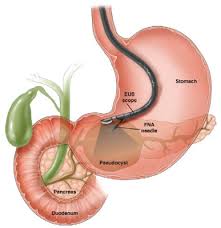
EUS allows a physician to get a clear picture of organs and tissues using a tool that combines an endoscope with a tiny ultrasound unit. Ultrasound projects sound waves into body tissues and then “listens” as the sound waves “echo” back to a sensor. The sensor creates a visual image on a screen that can be evaluated by the physician.
In EUS, the ultrasound probe is built onto the end of an endoscope-a lighted, flexible rube that can be fed through the mouth and into the esophagus (the tube that carries food to the stomach) or through the rectum, depending on what part of the digestive tract the physician wants to investigate. With standard endoscopy, the physician can directly view the inside surface of the digestive tract. With EUS, the ultrasound creates an image of the underlying area, giving the physician a view of the tissues and organs beneath the intestinal surface.
Preparing for the EUS Exam:
Patients should inform their physician of all medications they are taking and check with the physician before stopping any medications. When EUS is done through the esophagus, the patient should not eat or drink anything for about eight hours before the exam. When EUS is done through the rectum, the colon (large intestine) must be cleansed. Normally, the patient uses a liquid diet along with laxatives or enemas to cleanse the colon. If biopsies are anticipated, the physician advises the patient about any blood thinning medications, which are usually stopped up to five days before the exam. These medications may increase the risk of excessive bleeding from a biopsy.
During the EUS Exam:
EUS is usually performed as an outpatient exam in a hospital. The patient is given a sedative to produce a drowsy, sleepy state. The EUS scope is then inserted through the mouth or rectum and eased through to the area to be examined. An EUS scope is flexible and can be easily moved around the various bends in the digestive tract.
When the scope is in position, the ultrasound mechanism produces the images needed for the examination. These images are carried electronically to a computer system that displays them on a video screen for the physician to view. If needed, small tissue samples can be taken from the digestive tract for analysis..
Still photographs of the video images are made to verify what has been found and to use for later study and comparison. In general, it takes 20 to 40 minutes to complete the exam. The patient is then taken to a recovery area for observation until sedation wears off. While most of the needed information is available to the physician immediately, tissue analysis will require several days. A follow up appointment is then necessary to review the results.
Side Effects and Risks:
During the procedure, patients are routinely monitored to be sure that there are no complications from medications. Following the procedure, the patient may have a mild sore throat for a few hours. Because of the sedation, patients should not drive, operate heavy machinery or make important decisions following the procedure. Therefore, someone should be available to drive the patient home.
This ability of EUS to get so close to the area to be examined makes this test reliable and preferable to more invasive techniques. In general, EUS is a very safe procedure. There is a very slight risk of the endoscope tearing the intestinal tract, which would require surgery. Rarely, excessive bleeding may occur with a biopsy.
Purpose of EUS:
The digestive system, also called the gastrointestinal or GI tract, includes the mouth, throat, esophagus, stomach, intestines and rectum. Other organs like the gallbladder and pancreas, which contribute to the digestion of foods are also part of the digestive system. When a patient is having discomfort and symptoms that suggest a problem in the GI system, the physician will order tests to help with the diagnosis.
Stomach ulcers and intestinal polpys are examples of conditions that can be easily seen on the inside lining of the intestine. In these cases a standard endoscopy is all that is needed. However, sometimes the physician wants to see deeper into the underlying tissues or the surrounding area and in these cases an EUS can help. EUS is especially useful for evaluating certain tumors of the GI Tract. EUS may be used to evaluate a wide range of conditions including:
*Tumors and lymph nodes that lie beneath the intestial wall.
*Issues with blood vessels supporting the GI Tract.
*Gallstones within the bile duct.
*Abnormalities of the pancreas.
*Abnormalities of the rectum.
*Growth of tumors
*Tumor removal or recurrence.
*Follow-up of benign-appearing tumors.
*Biopsy of tumors or sampling of fluid collections.
Summary:
EUS is an effective way of examining the digestive tract and the related tissues and organs that lie outside it. This exam may be used with other studies to give a comprehensive picture of conditions in the GI tract. Serious complications are very uncommon. EUS allows the physician a high degree of accuracy in making a diagnosis, so that an effective form of therapy can usually be provided.
Disclaimer: This information was taken from a Meducate by GI Supply pamphlet and I give them full credit for the information. Please consult with your doctor before having any procedures.
The liver is a large organ that sits in the right upper abdomen, just under the right lung. It performs many different functions at the same time. The liver makes proteins, eliminates waste material from the body, produces cholesterol, stores and releases glucose energy and metabolizes many drugs used in medicine. It also produces bile that flows into the intestine to help digest food. This remarkable organ also had the ability to repair and regenerate itself if it is injured or partially removed. The liver receives blood from two different sources-the heart and the intestine. All of this blood flows through the liver and returns to the heart. It is no wonder that the ancient Chinese viewed the liver, not the heart as the center of the body.
What is Cirrhosis?
Cirrhosis is slowly progressing disease in which healthy liver tissue is replaced with scar tissue. Many types of chronic injury to the liver can cause scar tissue to form. This scarring changes the normal structure and disrupts the regrowth of liver cells. Eventually, the scar tissue blocks blood flow through the liver and prevents the liver from accomplishing its important jobs.
What are the signs and symptoms?
Cirrhosis takes years to develop. During this time, there are usually no symptoms, although fatigue, weakness and decreased appetite may occur and worsen with time. When cirrhosis has fully developed a number of signs may be present:
*Fluid retention in the legs and abdomen: the liver produces a protein, called albumin, that holds fluid in blood vessels. When the blood level of albumin decreases, fluid seeps out of the tissues into the legs and abdomen, causing edema (fluid accumulation) and swelling.
*Jaundice: the liver produces bile that normally flows into the intestine. In advanced cirrhosis, bile can back up in to the blood, causing the skin and eyes to turn yellow and the urine to darken.
Intense itching: certain types of cirrhosis, such as chronic bile duct blockage can produce troublesome itching.
Coagulation (clotting) defects: the liver makes certain proteins that help clot blood. When these proteins are deficient, bleeding can be excessive or prolonged.
Mental function change: the liver processes and filters toxins. When these toxins escape into the bloodstream in severe cases of cirrhosis, they can travel to the brain and affect mental function.
Esophageal vein bleeding: in advanced cirrhosis, intestinal blood bypasses the liver and flows up and around the esophagus (connects the throat to the stomach) to the heart. The veins in the esophagus expand and may rupture, causing significant bleeding.
Diagnosis and Liver Biopsy:
The physician may suspect cirrhosis from the patient’s medical history and physical examination. In addition, certain blood tests or ultrasound can provide helpful information. To make a definite diagnosis, however, a liver biopsy (tissue sample) may be necessary. This is performed by anesthetizing the skin and inserting a thin needle into the liver. A specimen of tissue is removed and examined under a microscope.
What is the Course of Cirrhosis?
When cirrhosis is diagnosed, the patient and physician begin a plan of action designed to preserve the remaining liver cells and correct the complications mentioned above. By following this plan, many patients can lead long, productive lives.
Treatment:
Often, the only required treatment for cirrhosis is removing the offending cause:
*Alcoholic patients must permanently stop consuming alcohol.
*Diabetics should work closely with their physicians to control their blood sugar
*When iron is being retained in the body, having blood drawn frequently can eliminate large amounts of iron.
*Medicines that modulate the immune system can treat autoimmune hepatitis and prevent potential complications such as cirrhosis.
*Restricting salt ad using fluid pills (diuretics) reduce
*Toxins and drugs that damages the liver must be avoided.
*Using certain laxatives or antibiotics can improve changes in mental function.
*Bleeding veins in the esophagus can be closed with small rubber bands.
*Ursodiol (Actigall) and other drugs may be helpful in treating primary biliary cirrhosis.
What causes Cirrhosis?
Cirrhosis can be caused by many things including:
*Alcohol: excess alcohol use is one of the most common causes of cirrhosis.
*Fatty liver disease: this is often associated with diabetes but can develop in people without diabetes as well.
*Chronic viral hepatitis: Hepatitis B and Hepatitis C and perhaps other viruses can infect and damage the liver, eventually causing cirrhosis.
*Chronic bile duct blockage: this condition can occur at birth or develop later in life and the causes remain unknown. The two most common blockages are primary biliary cirrhosis and primary sclerosing cholangitis. Primary sclerosing cholangitis is often associated with Ulcerative Colitis, a chronic ulcerative condition of the colon.
*Abnormal storage of copper (Wilson’s Disease) or iron (Hemochromatosis): these metals are present in all body cells. When abnormal amounts of them accumulate in the liver, scarring and cirrhosis may develop.
*Drugs and Toxins: prolonged exposure to certain chemicals or drugs can scar the liver.
*Autoimmune Hepatitis: this chronic inflammation occurs when the body’s protective antibodies and white cells don’t recognize the liver as part of the body’s own tissue. The antibodies and cells attack the liver cells as though they were foreign cells.
*Cystic Fibrosis: thicken mucus secretions in patients with this inherited disorder can block the bile ducts, leading to swelling, inflammation and eventually scarring.
*Alpha 1 antitypsin deficiency: an inherited absence of a specific enzyme in the liver.
Liver Transplant:
Liver transplantation may be an option for certain patients with severe cirrhosis.
Prevention:
Most cirrhosis is caused by excessive alcohol consumption, fatty liver disease or hepatitis viruses. To reduce the risk of cirrhosis, limit alcohol consumption to no more than 1 or 2 drinks per day. There is a vaccine against Hepatitis B recommended for children and certain high-risk groups such as: health care professionals, persons traveling to Third World countries, homosexual men, intravenous drug users and prosititues.
Summary:
Cirrhosis of the liver is a common disorder that has many causes. With early diagnosis, much can be done to prevent serious complications. Treatments depend on the cause of the liver injury and what complications are present. Ongoing medical research could provide advances in treating cirrhosis in the future.
Disclaimer: This information was taken a pamphlet from GI Supply and I give them full credit for this information. Please check out their website http://www.gi-supply.com for more information.